
Hey everyone! Today, I want to talk about something interesting – the tradeoffs between digital and analog representations of objects. You might wonder if a digital version of something can ever be as good as the original analog version. Let’s explore this topic and see what we can find out!
Is the Digital Representation of an Object Ever as Good as the Original Analog Object?
The short answer is: it depends. Digital representations can be incredibly accurate and useful, but they often come with tradeoffs. Let’s break it down.
1. Accuracy and Detail: Digital representations can capture a lot of detail, but they might not always be as accurate as the original analog object. For example, a high-resolution digital photo can look amazing, but it might not capture the same depth and texture as a physical painting. The digital version is made up of pixels, while the analog version is continuous and can have subtle variations that are hard to replicate digitally.
Example: A digital photo of a painting can look very close to the original, but it might miss some of the fine details and textures that make the painting unique.
2. Storage and Accessibility: One of the biggest advantages of digital representations is that they can be easily stored, copied, and shared. This makes them incredibly convenient and accessible. However, this convenience can come at the cost of losing some of the original quality.
Example: Digital music files are easy to store and share, but some audiophiles argue that vinyl records have a warmer, richer sound that digital files can’t quite match.
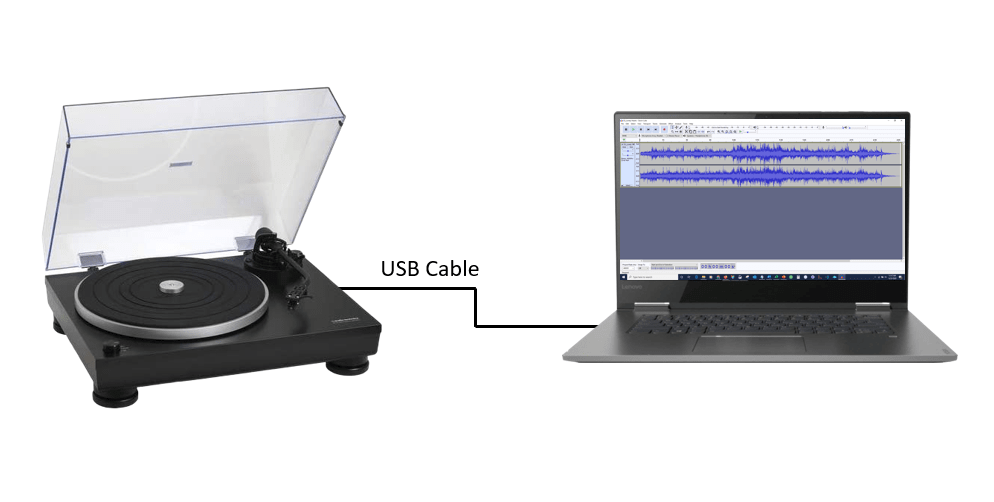
Tradeoffs
When we digitize something, we often have to make tradeoffs between quality, convenience, and accessibility. Here are a few examples:
1. Quality vs. File Size: Higher-quality digital representations require more storage space. For example, a high-resolution image or video file will take up more space than a lower-resolution one. This means we have to balance the need for quality with the available storage capacity.
Example: A high-resolution image looks great but takes up more storage space. A lower-resolution image saves space but might not look as good.
2. Fidelity vs. Compression: To make digital files more manageable, we often use compression techniques. However, compression can reduce the fidelity of the digital representation, leading to a loss of detail and quality.
Example: MP3 files are compressed to save space, but this can result in a loss of audio quality compared to uncompressed formats like WAV.
Human Perception
Human perception plays a big role in how we digitize things. Our senses have limitations, and sometimes we can’t tell the difference between a high-quality digital representation and the original analog object. This influences the decisions we make when digitizing something.
Example: Most people can’t tell the difference between a 1080p and a 4K video on a small screen, so streaming services often use 1080p to save bandwidth while still providing a good viewing experience.
Conclusion
In conclusion, digital representations can be incredibly useful and convenient, but they often come with tradeoffs. While they might not always be as good as the original analog objects, they offer advantages in terms of storage, accessibility, and convenience. Human perception also plays a key role in how we digitize things, influencing the decisions we make to balance quality and practicality.
From Copilot
Prompt: Is the Digital Representation of an Object Ever as Good as the Original Analog Object? What are the tradeoffs and the human perception?
Response:
Digital representations can be incredibly accurate and useful, but they often come with tradeoffs. While they can capture a lot of detail, they might not always be as accurate as the original analog object. For example, a high-resolution digital photo can look amazing, but it might not capture the same depth and texture as a physical painting. Digital representations are made up of pixels, while analog versions are continuous and can have subtle variations that are hard to replicate digitally. One of the biggest advantages of digital representations is that they can be easily stored, copied, and shared, making them incredibly convenient and accessible. However, this convenience can come at the cost of losing some of the original quality. For instance, digital music files are easy to store and share, but some audiophiles argue that vinyl records have a warmer, richer sound that digital files can’t quite match. When we digitize something, we often have to make tradeoffs between quality, convenience, and accessibility. Higher-quality digital representations require more storage space, and compression techniques used to save space can reduce the fidelity of the digital representation. Human perception also plays a big role in how we digitize things, as our senses have limitations, and sometimes we can’t tell the difference between a high-quality digital representation and the original analog object. This influences the decisions we make when digitizing something, balancing quality and practicality.