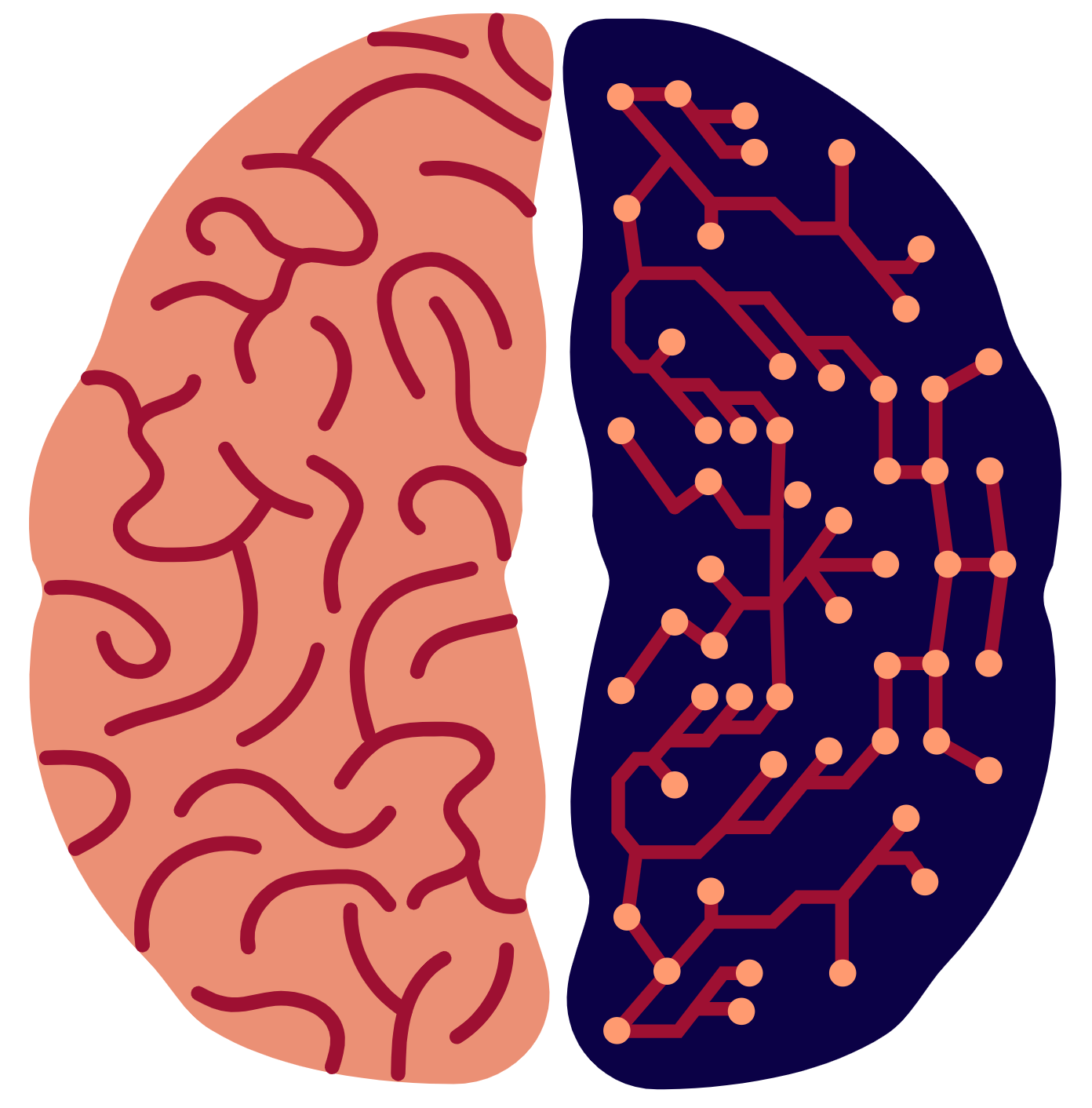
In our recent class discussion on neural networks, one question that really stood out to me was: how do these systems, which are inspired by the human brain, learn to recognize complex patterns? Neural networks are made up of layers of interconnected “neurons” that work together to process information, similar to how our brains work. It’s amazing to think that a series of mathematical operations can help a machine understand speech, recognize faces, or even drive a car. The blend of biology and technology is mind-blowing and raises many ethical and philosophical questions.
One key issue is the “black box” problem. This term refers to the fact that the inner workings of neural networks are often hard to understand. These systems can process and analyze information to make decisions, but it’s not always clear how they arrive at those decisions. Essentially, we can see what goes in (the input) and what comes out (the output), but the process in between is like a mystery. After doing some research on my own, I found that this lack of transparency can be a problem, especially when these systems are used in important areas like healthcare, finance, and criminal justice. It’s crucial to understand how they make decisions. It’s not just about creating a model that works, but also one we can trust and understand. This transparency is essential to ensure these technologies are used responsibly and don’t unintentionally reinforce biases or create unfair outcomes. Our class highlighted the importance of developing explainable AI, where humans can understand how the neural network reaches its conclusions. This could be a key step in making advanced technology more ethical and responsible.