
Art is often viewed as the purest form of human expression, a realm where emotions, experiences, and perspectives are brought to life through various mediums. With the rise of artificial intelligence, a provocative question has emerged: Can computers create art? Let’s dive into this intriguing topic.
The Definition of Art
Before we explore whether computers can create art, it’s essential to define what art is. Traditionally, art encompasses a wide range of human activities and creations, from painting and sculpture to music and literature. It’s a reflection of the artist’s inner world, emotions, and creativity. Art is subjective, and its value often lies in the interpretation and emotional response it evokes in its audience.
AI and Creativity
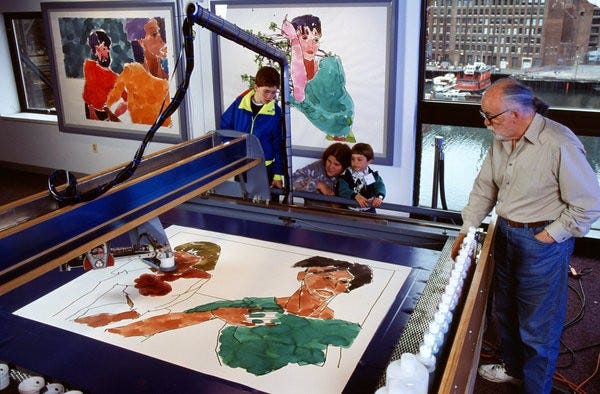
Artificial Intelligence has made significant strides in recent years, with algorithms capable of composing music, writing poetry, and even generating visual art. Tools like DeepArt, DALL-E, and Google’s DeepDream have demonstrated that AI can produce pieces that are aesthetically pleasing and sometimes even indistinguishable from human-created art.
However, the process behind AI-generated art is vastly different from that of human artists. AI relies on vast amounts of data and sophisticated algorithms to create patterns and designs, while human artists draw from personal experiences, emotions, and a deep understanding of their craft.
The Argument for AI Art
Proponents of AI-generated art argue that creativity is not limited to human beings. They believe that if art is defined by its ability to evoke emotions and provoke thought, then AI can indeed create art. AI can analyze and learn from a vast array of artistic styles and techniques, combining them in novel ways to produce unique works. This capability allows AI to explore new creative possibilities that human artists might not consider.
Moreover, AI can serve as a tool for human artists, enhancing their creative process. For instance, AI can generate preliminary sketches or compositions, which artists can then refine and develop. This collaboration between human and machine can lead to innovative and exciting artistic creations.
The Argument Against AI Art
Critics argue that true art requires a depth of human experience and emotional connection that AI cannot replicate. While AI can generate works that mimic human art, it lacks the consciousness and intentionality behind human creativity. Art is not just about the final product; it’s also about the journey and the intention behind it.
AI lacks the capacity for genuine emotion, personal experiences, and the self-awareness that human artists bring to their work. Therefore, some believe that AI-generated creations, no matter how impressive, cannot be considered true art.
A New Perspective
Rather than viewing AI as a rival to human artists, it may be more constructive to see it as a new medium and a collaborator. Just as photography, digital art, and other technological advancements have expanded the boundaries of artistic expression, AI offers new tools and possibilities for creativity.
AI can push the boundaries of traditional art, creating works that challenge our perceptions and inspire new ways of thinking. It can democratize art, making it more accessible to people who may not have traditional artistic skills but have a creative vision.
Conclusion
The question of whether computers can create art doesn’t have a definitive answer and largely depends on one’s definition of art. While AI can generate works that are aesthetically pleasing and thought-provoking, it lacks the depth of human experience and emotional connection that traditional art embodies.
However, by embracing AI as a new tool in the artistic toolkit, we can explore new creative possibilities and redefine what it means to create art. In the end, the value of art lies in its ability to move and inspire us, regardless of whether it comes from a human hand or an algorithm.
From Copilot
Prompt: Can Computers Create Art?
Response:
The debate on whether computers can create art revolves around the definition of art and the nature of creativity. Proponents argue that artificial intelligence, equipped with advanced algorithms and extensive data, can produce visually appealing and intellectually stimulating works that push the boundaries of traditional art. They believe that AI can serve as a tool to enhance the creative process, opening up new possibilities for artistic expression and collaboration between humans and machines.
On the other hand, critics assert that true art requires a depth of human experience and emotional connection that AI cannot replicate. They contend that while AI-generated pieces may resemble human art, they lack the intentionality and personal touch that characterize genuine artistic expression. Art, in this view, is not just about the final product but also about the journey and the emotions embedded within it.
Ultimately, the question of whether computers can create art invites us to reconsider the essence of creativity and the role of technology in artistic endeavors. While AI-generated art may not fully embody the human experience, it challenges us to explore new forms of creativity and rethink our understanding of art and artistic expression. By embracing AI as a collaborator, we can expand the horizons of what is possible in the world of art.